-
aljawahermetalcoating
- September 15, 2026
- No Comments
What Is Hard Chrome Plating and How Does It Work?
Table of Contents
- Key takeaways
- What does hard chrome plating actually mean?
- How does the hard chrome plating process work?
- Hard chrome vs. decorative chrome plating
- Where is hard chrome plating used?
- Benefits that matter on the shop floor
- What to look for in a metal coating company?
- Common problems and how good plating avoids them
- Wrapping up
- Frequently asked questions
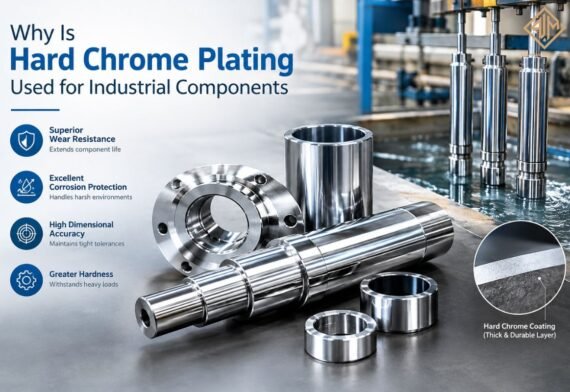
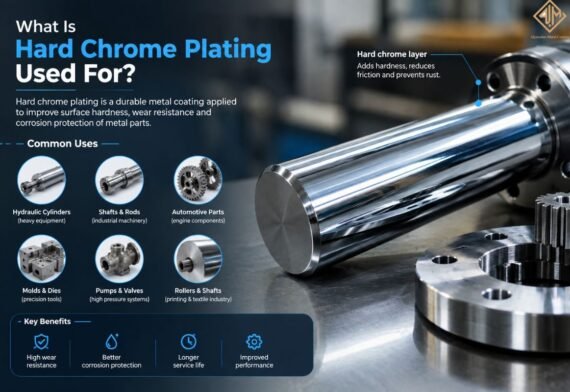
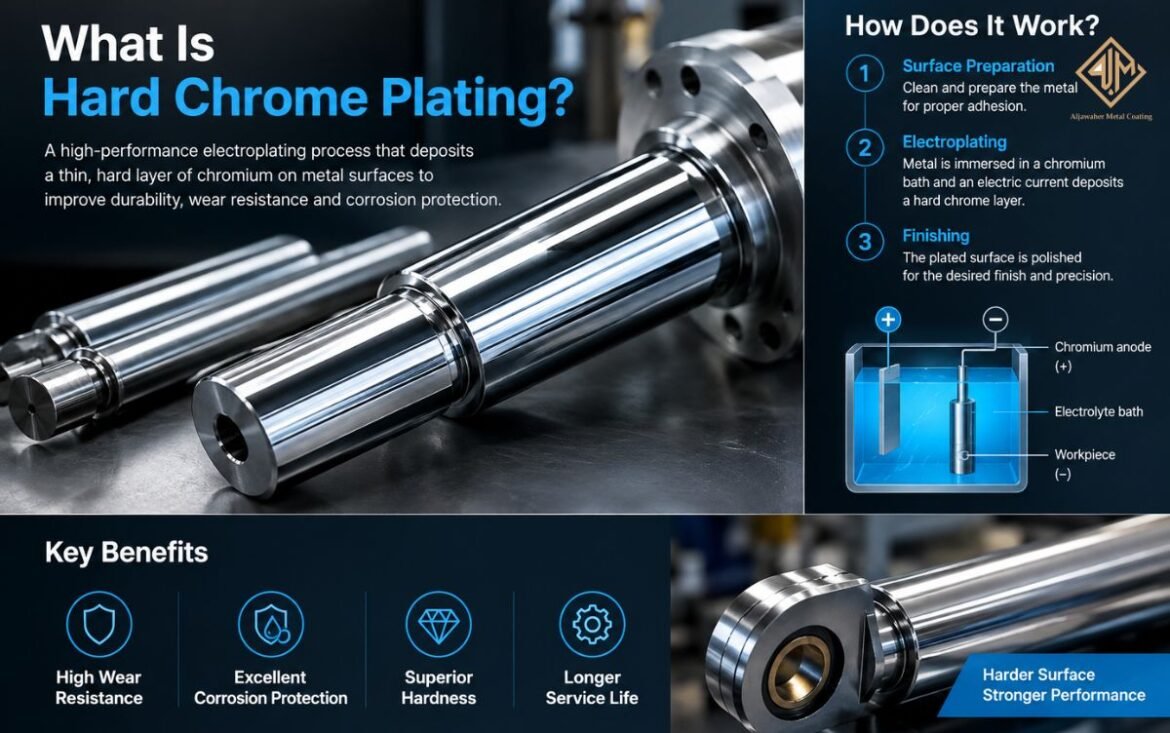
Hard chrome plating is a technique used in electroplating to add layers of chromium to a metal object. This makes the object more durable, lowers its friction, and increases its lifespan. Hard chrome plating is a different thing than the shiny chrome found on cars and faucets. This type of chrome is much stronger than decorative chrome and is used in hydraulic cylinders, molds, rods, and other elements exposed to wear and tear. If you want hard chrome services in Dubai, get to know what the procedure includes, where it is applied, and what you should check before sending in a part.
Key takeaways
- Chrome plating provides corrosion and wear resistance of 0.05–0.5 mm in layers of chromium.
- The electrolytic process utilizes chromic acid and controlled current for the binding of chromium with the base metal.
- There are several areas of application of hard chrome plating, such as hydraulic pistons, shafts, molds, and rollers.
- Plating quality in Dubai is necessarily determined by process management, thickness of the plated layer, and careful preparation of the surface.
What does hard chrome plating actually mean?
Hard chrome plating, sometimes called industrial or engineering chrome, exists to do a job, not to look good. The finished surface usually comes out duller and more matte than decorative chrome, and that’s by design. Shine isn’t the point here. Hardness is typically 65 to 72 on the Rockwell C scale, which puts it above most tool steels.
People outside the trade get this mixed up constantly. They hear “chrome plating” and picture the finish on car trim or a kitchen faucet. Hard chrome is a different thing altogether. Where decorative chrome runs a few microns thick, hard chrome goes on anywhere from about 0.05mm up to 0.5mm or more, depending on what the part needs to survive.
How does the hard chrome plating process work?
This is an electrochemical process, and it takes more precision than most people assume from the outside. The general sequence looks like this:
- Surface preparation- The part gets cleaned, degreased, and often ground or polished to strip off old coatings, rust, or surface defects. Skip this step, and you’ve probably already doomed the job- this is the most common reason plating fails early.
- Masking- Threads, bores, and any tight tolerances that shouldn’t get plated are covered off with tape, wax, or purpose-built fixtures.
- Electroplating bath- The part goes into a chromic acid solution with a small amount of sulfuric acid added as a catalyst. Current runs through the bath, the part acts as the cathode, and a lead or lead-alloy anode carries the positive charge.
- Chromium deposition- Chromium ions in the solution get reduced and build up on the part’s surface, layer by layer. It’s slow going. Depositing even 0.1mm can take several hours, and that’s exactly why rushed jobs tend to come out weaker and more porous.
- Post-plating treatment- Once the part reaches target thickness, it gets rinsed, often baked to relieve hydrogen embrittlement (a genuine risk with high-strength steels), then ground or polished down to final dimension.
Current density, bath temperature, and time all need to stay within a narrow range through this whole sequence. Miss on any of them, and you end up with pitting, uneven thickness, or weak adhesion- problems that don’t show up on inspection day but show up six months later as flaking or premature wear.
Hard chrome vs. decorative chrome plating
| Factor | Hard Chrome Plating | Decorative Chrome Plating |
| Purpose | Wear resistance, functional performance | Appearance, corrosion protection for aesthetics |
| Thickness | 0.05mm–0.5mm+ | 0.0002mm–0.001mm |
| Base layer | Often applied directly to steel | Usually applied over nickel plating |
| Hardness | 65–72 HRC | Lower, not engineered for hardness |
| Typical use | Hydraulic rods, molds, shafts, dies | Automotive trim, fixtures, furniture |
| Cost driver | Thickness and precision grinding | Surface finish and polish quality |
Decorative chrome stays thin because it never has to fight friction. Hard chrome goes on thick because fighting friction is its whole reason for existing.
Where is hard chrome plating used?
Hard chrome shows up across a wide range of industrial equipment, and Dubai’s manufacturing and construction sectors lean on it heavily:
- Hydraulic cylinders and rods, where constant contact with seals makes wear resistance essential
- Printing and textile rollers, which need a hard, smooth surface for consistent output
- Molds and dies, where hard chrome cuts down on sticking and extends tool life
- Pump shafts and valve components exposed to both mechanical wear and corrosive fluids
- Aircraft landing gear and other aerospace parts, where failure isn’t an option
- Marine equipment, where corrosion resistance is the whole point in a coastal environment
That range of applications is a big part of why hard chrome plating services in Dubai stay busy year-round, from port equipment to construction machinery.
Benefits that matter on the shop floor
Set the technical specs aside for a second. This is what hard chrome plating actually does for whoever owns the equipment:
A properly plated hydraulic rod can run for years where an unplated one would need replacing within months. Chromium’s low coefficient of friction eases wear on the mating parts too, which people often overlook. The chromium layer forms a passive oxide film that holds up against rust, which matters a lot in humid or coastal air. Fewer replacements mean less downtime, and downtime is usually the more expensive problem compared to the plating bill itself. Moreover, when a part wears down, it can often be stripped, replated, and reground back to specification instead of scrapped outright- cheaper, in most cases, than machining something new.
What to look for in a metal coating company?
Plating shops don’t all deliver the same result, and the gap often only becomes obvious once a part fails months down the line. Before committing to one, it’s worth checking a few things.
- Ask how they manage thickness consistency, since uneven current distribution during plating creates thin spots, especially on parts with complex shapes.
- Find out what their grinding and finishing setup looks like too- plating is only half the job, and the precision grinding afterward is what sets the final tolerance and surface finish.
- Consider whether they’ve actually worked on your type of part before; a shop set up for small decorative pieces may not have the tank size or process control a 3-meter hydraulic rod needs.
- Therefore, ask what quality checks they run. The better providers measure hardness, thickness, and adhesion directly instead of eyeballing the finish.
Aljawaher Metal Coating has built its name in Dubai on that kind of process discipline, handling hard chrome and other metal finishing work for industrial clients who genuinely can’t afford a coating failure. When downtime costs more than the job itself, picking the best metal coating company in Dubai over the lowest bid usually pays for itself.
If you’re weighing hard chrome plating near me options, go see the facility in person if you can. Tank size, current control setup, and how much experience the technician has with your specific part type tell you more than any quoted price will.
Common problems and how good plating avoids them
Even buyers who know what they’re doing run into trouble when a shop cuts corners. A few things worth knowing:
Hard chrome develops fine micro-cracks as it cools- that’s normal in small amounts, but it becomes a real problem when there’s too much of it, since moisture can work its way underneath and start corrosion. Controlled bath chemistry keeps this in check. Poor adhesion almost always traces back to inadequate surface prep; if the base metal isn’t properly cleaned and activated first, the chromium layer can flake off under load.
Hydrogen embrittlement is a separate risk, since high-strength steels can absorb hydrogen during plating and turn brittle, which is exactly why the post-plating bake exists- skip it, and you’ve built in a failure point. Additionally, on complex shapes, current density varies enough that shops often need auxiliary anodes or shielding just to keep the coating even across the part.
Aljawaher Metal Coating treats these as standard checks on every job rather than something to fix after the fact, which is worth confirming with any shop you’re considering.
Wrapping up
Hard chrome plating exists to solve one problem: getting industrial parts to outlast friction, corrosion, and repeated stress far longer than the bare metal could on its own. That comes down to process control at every stage, from surface prep through plating to the post-treatment bake, done the same way every time. If you’re looking at hard chrome plating services in Dubai for hydraulic parts, molds, or shafts, ask a provider like Aljawaher Metal Coating for their thickness tolerances and quality checks before you send the parts over. That tells you more than the price sheet will.
Frequently asked questions
It varies with operating conditions, but properly applied hard chrome on hydraulic rods commonly lasts 5 to 10 years of normal industrial use before it needs rework.
Steel and cast iron are the usual candidates, though aluminum and other metals can take chrome plating with the right pre-treatment for adhesion.
The bath uses hexavalent chromium, a regulated substance, so reputable shops follow strict waste treatment and handling protocols.
Most jobs fall between 0.025mm and 0.25mm, though heavy-wear parts like large hydraulic rods sometimes need up to 0.5mm or more.
Often, yes. The old plating gets stripped, the part reground, and fresh chromium applied- usually cheaper than sourcing a replacement part.
It does add measurable thickness, which is why parts get ground after plating to bring them back to exact tolerance.
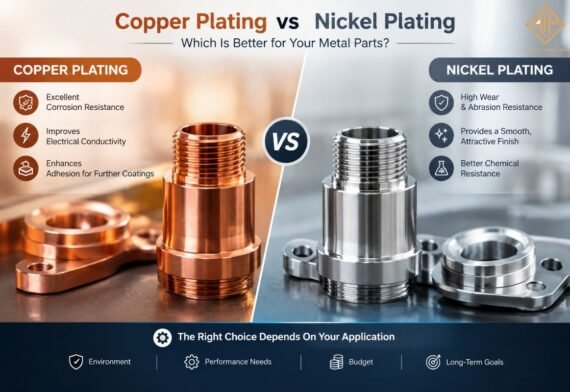
Nickel handles corrosion resistance well but falls short on hardness. Hard chrome is built for high-friction, high-wear jobs nickel isn’t suited for.
Weak surface prep, insufficient thickness, poorly controlled bath chemistry, and skipping the post-plating stress relief bake are the usual culprits.
Look at tank capacity, quality control practices, and whether they’ve handled parts like yours before- price alone won’t tell you much.
Yes, its corrosion resistance holds up well in marine and coastal settings, as long as the base metal and plating thickness match what the environment demands.