-
aljawahermetalcoating
- August 4, 2026
- No Comments
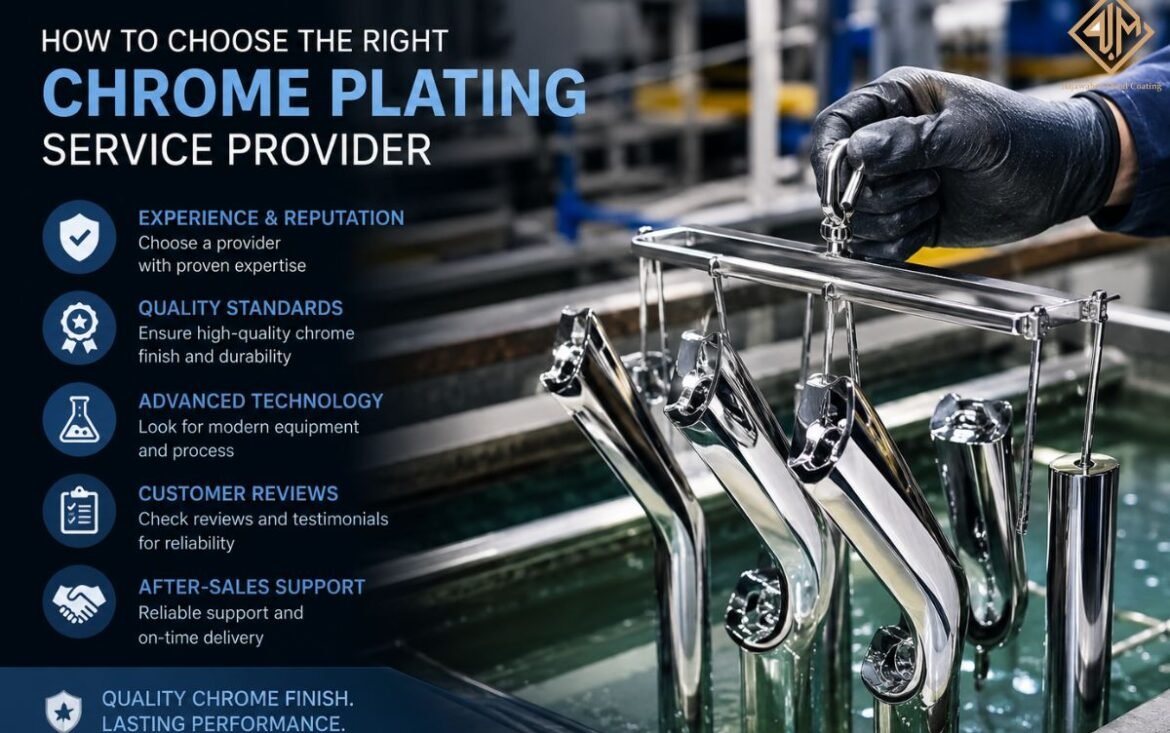
How to Choose the Right Chrome Plating Service Provider
Table of Contents
- Key Takeaways
- What actually happens during chrome plating?
- Signs you’re looking at a skilled provider
- Questions to ask before you sign a contract
- Common mistakes businesses make
- Comparing DIY fixes vs professional plating
- What sets a trustworthy metal coating company apart?
- Wrapping it up
- Frequently asked questions
Key Takeaways
- Surface preparation is more important than the actual plating process when it comes to the quality of the plating.
- Equipment and quality assurance in a shop reveal more than anything they said in their presentation.
- Quick turnaround and good curing are usually mutually exclusive options- choose one of them.
- Clarify the warranty provisions before you sign your name and not when it is too late.
Chrome plating looks simple from the outside. Part goes in, shiny part comes out. It isn’t that simple. The process runs through several chemically sensitive stages, and any shortcut shows up later, not immediately. A part can look perfect the day you pick it up and start flaking or pitting three months in.
If you run an automotive workshop, a fabrication shop, or handle architectural fittings anywhere in the UAE, the provider you pick decides how long that part survives Dubai’s heat and dust. That’s really the whole case for being picky about chrome plating services in Dubai instead of just taking the first quote.
What actually happens during chrome plating?
You can’t judge a provider without knowing what the process is supposed to look like.
- Surface preparation- The metal gets cleaned, degreased, and usually sanded or polished to strip off old coatings and rust. Rush this step, and no amount of chrome fixes what’s underneath.
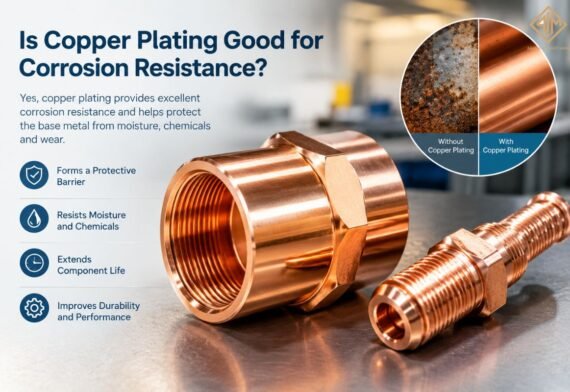
- Base layers- Chrome rarely goes straight onto raw metal. Most shops lay down copper or nickel first- it fills small surface flaws and gives the chrome something solid to grip.
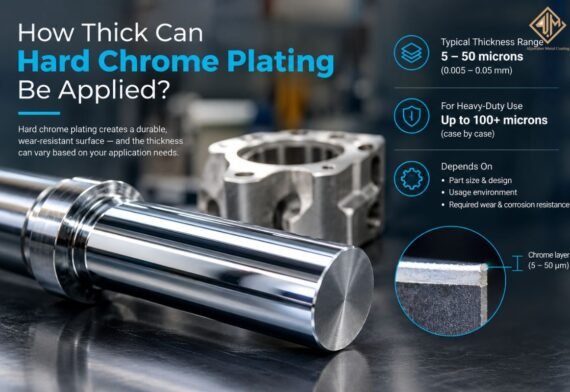
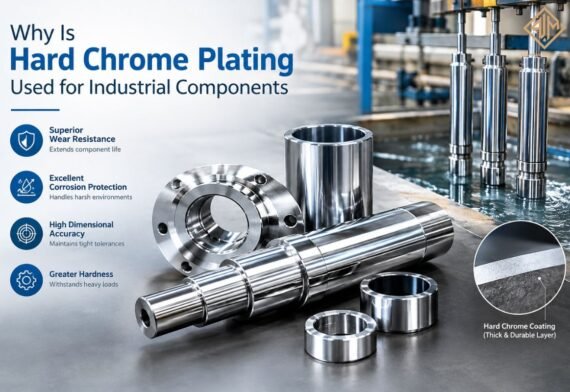
- Electroplating- The part goes into a chromic acid bath, and current bonds a thin chromium layer onto the surface. Get the thickness wrong in either direction, and you have a problem: too thin wears fast, too thick cracks under stress.
- Curing- The part needs time to settle before anyone handles or ships it. A shop that skips this step is betting your money that nothing goes wrong.
Signs you’re looking at a skilled provider
You can usually tell before you hand over a single part.
- They ask what the base metal is, not just what finish you want
- Surface prep gets mentioned as its own step, not folded quietly into “the process”
- They won’t promise same-day turnaround for anything needing multiple layers
- The facility has real ventilation and containment – plating involves hazardous chemicals, and a shop that’s loose about safety is usually loose elsewhere too
- They’ll show you actual finished samples, not stock photos off a template site
Furthermore, one thing I’ve noticed watching different shops work: the ones who ask why you need the part plated- decorative, functional, load-bearing- tend to be the more reliable ones. That answer changes the coating thickness, and the whole approach, and a shop that skips the question is probably quoting the same process for everything.
Questions to ask before you sign a contract
| Question | Why It Matters |
| What’s your typical turnaround for this part size? | Rushed jobs tend to skip curing time |
| Do you warranty against peeling or discoloration? | Tells you how confident they actually are |
| What base layers go on before the chrome? | Copper or nickel layering affects how long it lasts |
| Can I see plating on a similar material? | Different metals plate differently |
| What happens to a part that fails inspection? | Shows you their actual standards, not their claimed ones |
| Is the facility licensed for chemical handling? | Not optional under UAE regulation |
Common mistakes businesses make
- Going for the lowest quote- Pricing varies for real reasons- layer thickness, part complexity, how much prep the metal needs. A noticeably cheaper quote is cutting something out.
- Not mentioning the metal type up front- Aluminum, steel, and brass all plate differently. If a provider gives you a flat rate before asking what you’re bringing in, they haven’t actually thought about the job yet.
- Skipping the site visit- A website can’t show you ventilation, equipment age, or how organized the floor actually is. If the job matters, go look.
- Assuming finished chrome is finished chrome- It isn’t. Bright, satin, and black chrome all do different things, and plenty of shops only really do one of them well.
Comparing DIY fixes vs professional plating
Some businesses reach for touch-up kits or a local welder for small repairs. Worth knowing where that actually falls apart.
| Factor | DIY / Touch-Up Kits | Professional Plating |
| Durability | A few weeks to months | Years, with basic upkeep |
| Surface finish | Brush marks tend to show | Even, mirror finish |
| Corrosion resistance | Weak | Strong, if layered right |
| Load-bearing parts | No | Yes |
| Cost over time | Cheaper upfront, adds up | Costs more now, less later |
Past cosmetic touch-ups, professional plating usually ends up cheaper than the repeated DIY attempts.
What sets a trustworthy metal coating company apart?
A solid best metal coating company in Dubai does more than plate chrome. It handles nickel, zinc, and powder coating too, and it’ll tell you straight when chrome isn’t actually what your part needs.
However, that last part matters more than people expect. Not everything benefits from chrome. Some parts need corrosion resistance more than shine, and a good shop says so instead of selling you the finish that pays better.
Aljawaher Metal Coating runs on that principle- assess the metal first, then recommend a finish, rather than defaulting to whatever’s quickest to apply. It sounds minor. In practice, it’s usually the difference between a client who comes back and one who doesn’t.
The same checks apply whether you’re hiring a best metal coating company in Dubai for one part or for an ongoing production run: real prep, honest pricing, visible quality control.
Wrapping it up
Picking a chrome plating provider isn’t about the shiniest sample in the showroom. It comes down to how seriously they take surface prep, whether their turnaround estimates are honest, and whether they’ll actually explain their process instead of just quoting a number. Ask the questions above, visit the shop if the job is worth it, and treat the warranty terms as real information, not fine print.
Therefore, if you’re weighing chrome plating services in Dubai for an upcoming project, get in touch with Aljawaher Metal Coating for an honest read on what your part actually needs.
Frequently asked questions
Usually three to seven days, depending on part size and how many base layers it needs. Same-day plating usually means the curing got skipped.
Most can, but steel, brass, and aluminum each need different prep work. Ask how the shop handles your specific metal before you commit.
It does, if the prep and base layers were done properly. Heat and humidity aren’t really the risk- poor prep is what fails faster in these conditions.
Nickel holds up well against corrosion but looks duller. Chrome adds shine and hardness on top, usually applied over a nickel base for durability.
Uneven color, visible brush lines, or bubbling under the surface. Almost always points back to rushed prep or skipped curing.
Yes, but it needs a conductive base coat first, which not every shop offers. Ask specifically if you’re plating plastic.
Depends heavily on size, metal, and finish. Get a few quotes and check what each one actually includes before comparing the numbers.
Yes, through a stripping process, though it does stress the base metal. Usually done before re-plating something damaged or outdated.
Regular cleaning with non-abrasive products, and skip the harsh chemicals. Avoid pressure-washing directly on the plated edges.
Whether they also do powder coating or nickel plating. A shop that only offers chrome has less reason to tell you when chrome isn’t the right call.